

Engineering on demand, from the team that builds the suite.
Whether for research, clinical practice or sport performance, the same team answers your questions, builds what is missing, and trains your people on your own workflow.
Technical support
An active agreement covers every release across the suite and puts questions in front of the people who wrote the code. Two kinds of question come up most, and both have an answer:
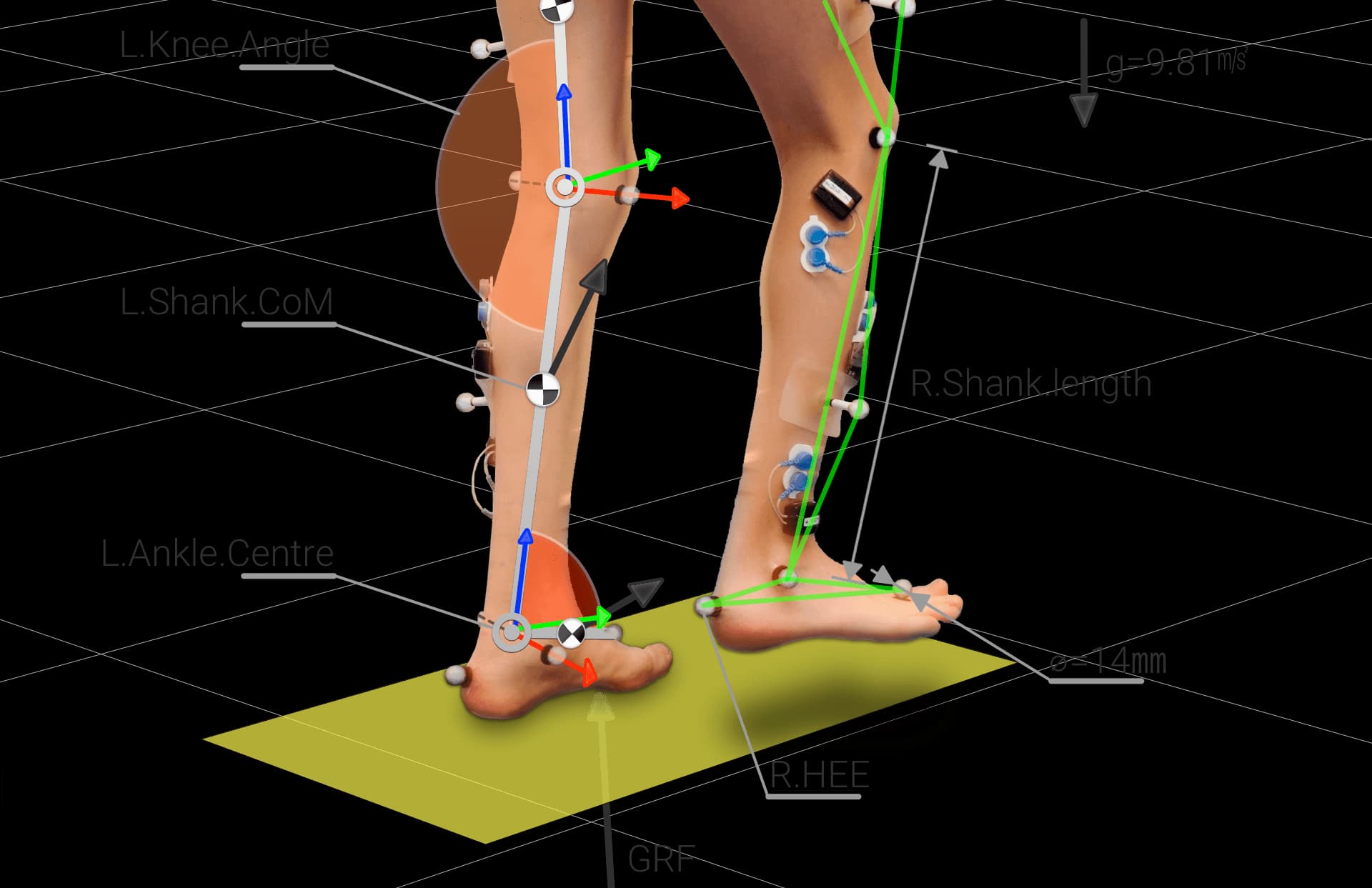
- Biomechanical modellingAsk about the modelling principles embodied in the engine, the peer-reviewed sources behind each analysis technique, and how to validate modelling decisions for a specific task.
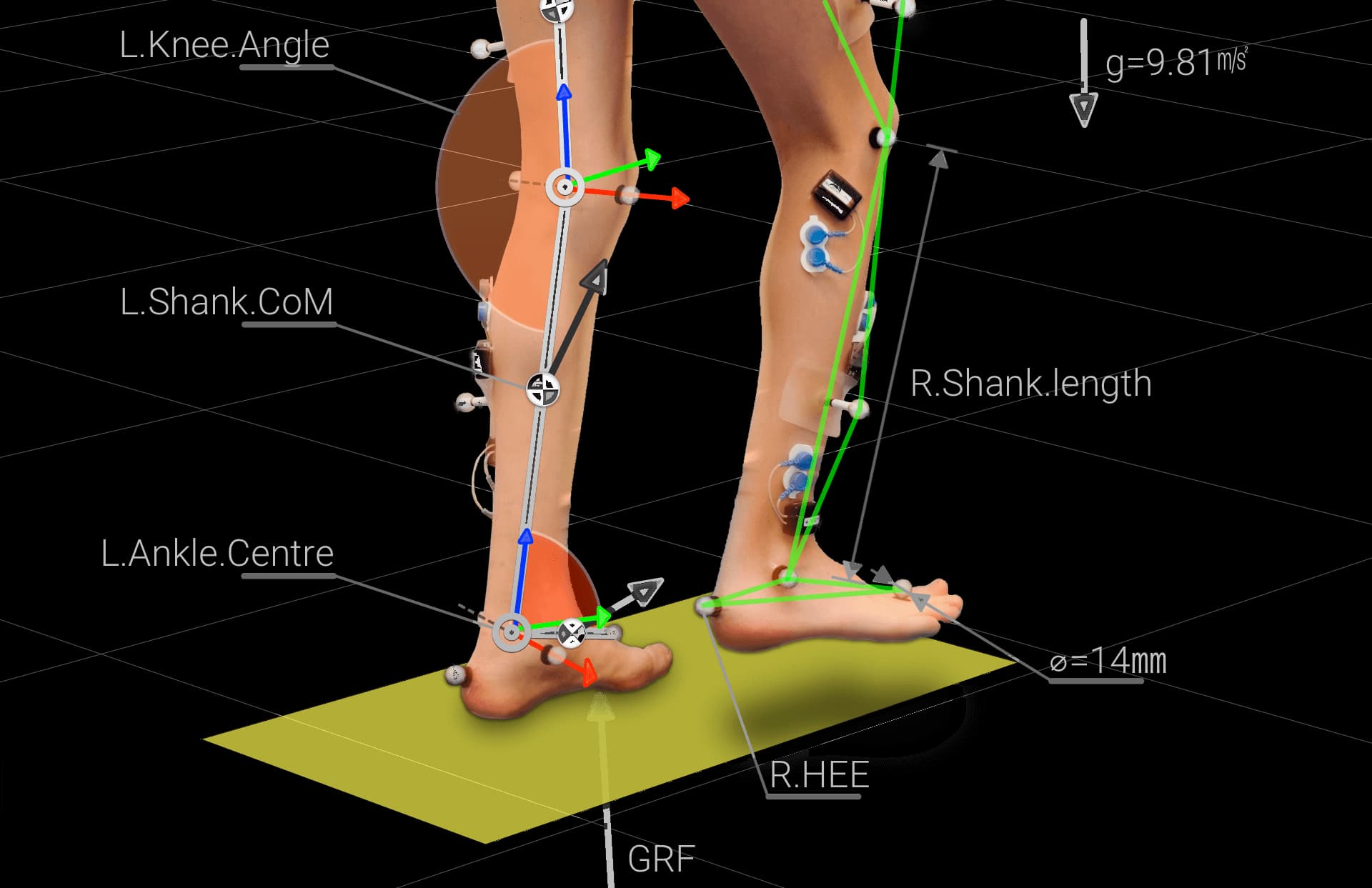
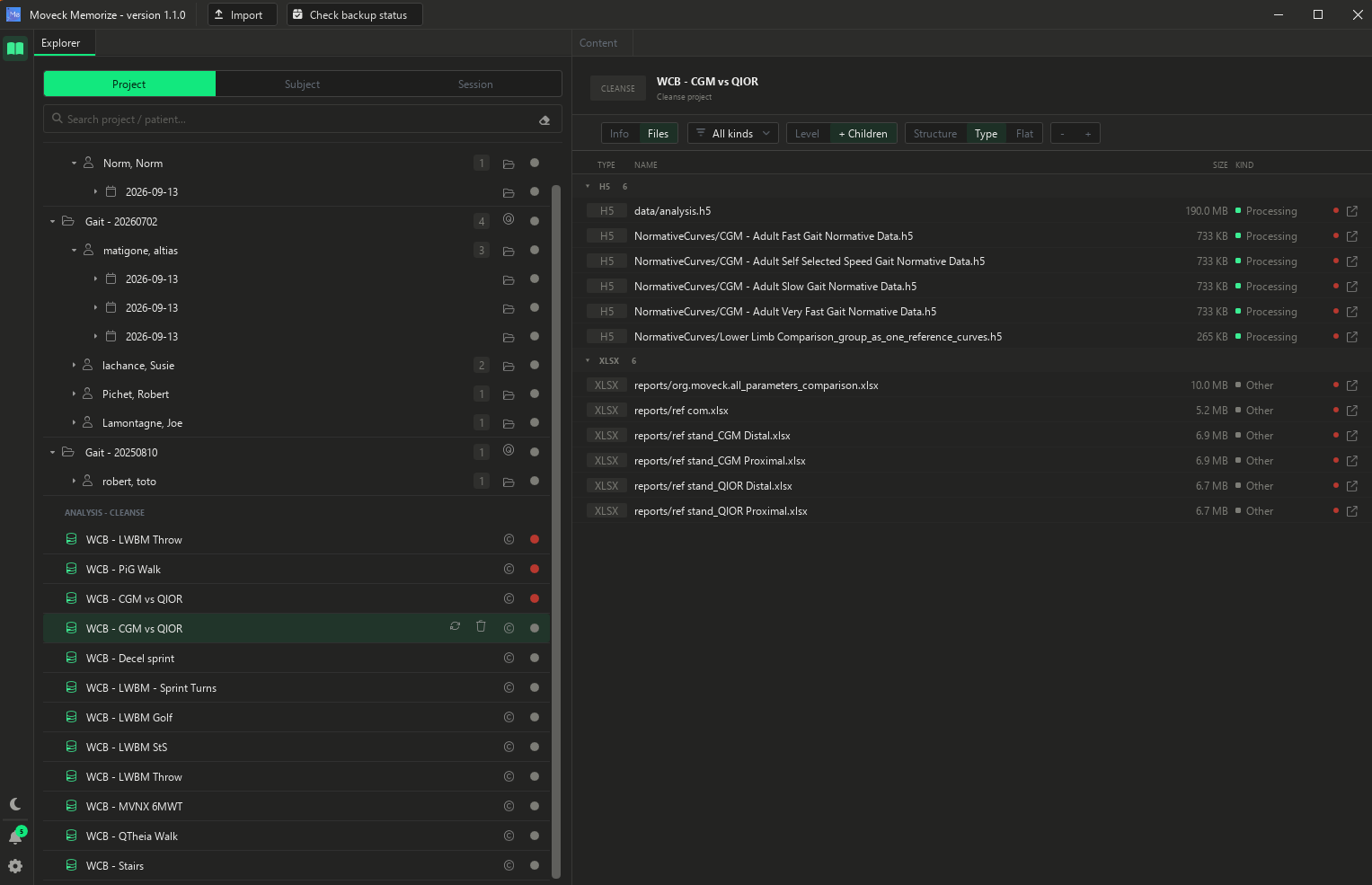
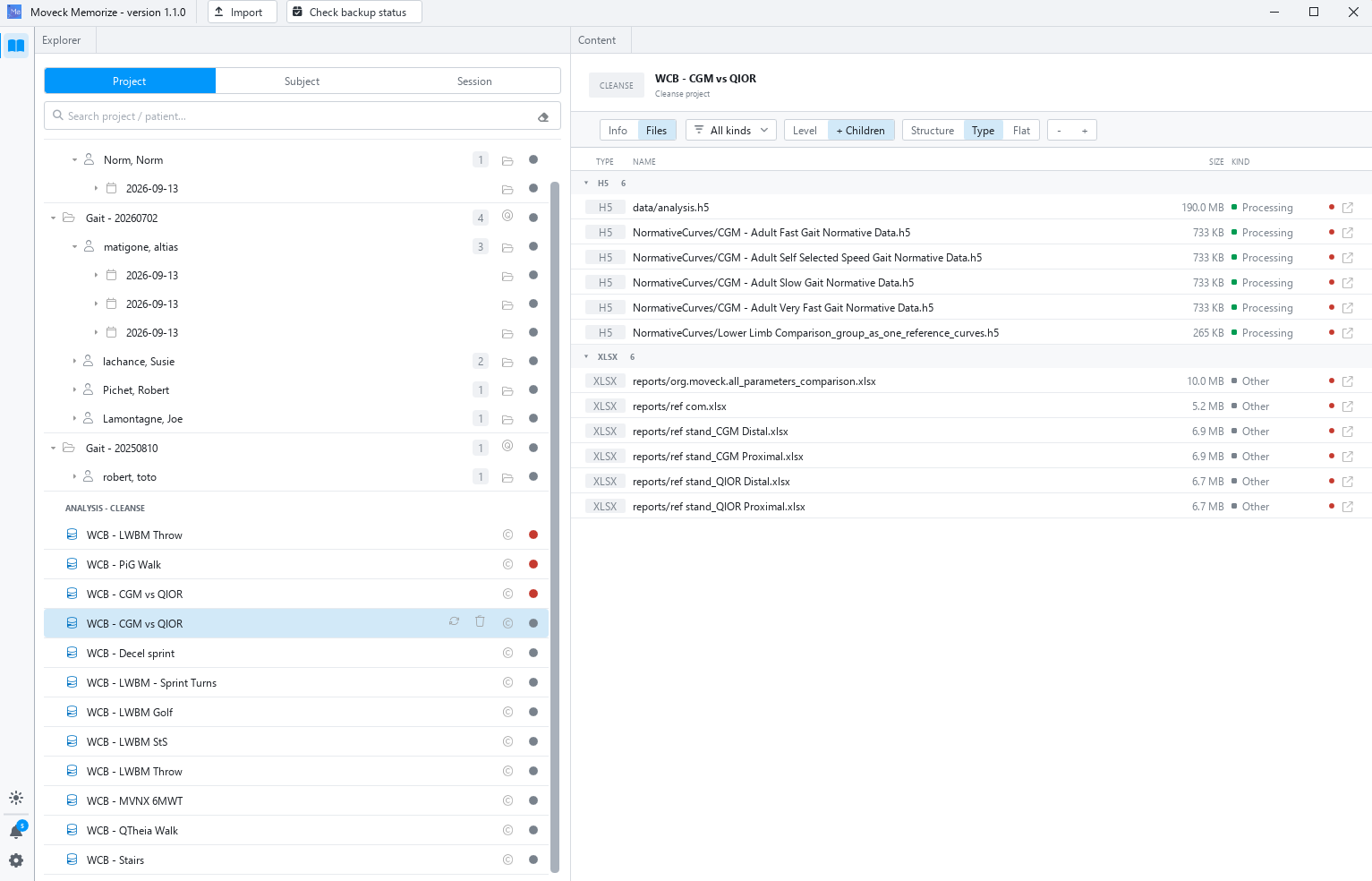
- Data management and analysisUnderstand how the suite helps you manage movement data for the long term, shape sessions and trials into comparable analyses, and reach well-founded conclusions from them.
Questions about support
Who answers a support request?
The engineers who build the suite. There is no first-line script: the person who wrote the module reads your message, and the answer is grounded in the documentation so you can retrace it.
What does a support agreement include?
Every release across the suite while the agreement is active, direct answers from the engineers, and methods guidance grounded in the documentation.
Do you work with data from our capture system?
Yes. The suite reads C3D from any capture system, so support is about your data, not your hardware.
Can support help validate a modelling decision?
Yes. Answers point at the modelling principles in the engine and the peer-reviewed sources behind them, so the decision is documented rather than guessed.
Consulting
Where support finds what already exists, consulting builds what does not: custom Pipe pipelines, Bridge scripts, validated protocols, and new features that land in the suite. First contact and scoping cost nothing, and the path is the same every time:
 The people behind BTK, Mokka, OpenMA and pyCGM2 build and support the suite today, with the team around them. Methods are grounded in the peer-reviewed literature.
Questions about consulting
Can you add a feature the suite does not have?
Yes. That is what consulting is for: scoped with you, built by the team, and carried in the suite when it belongs there, kept dedicated to you when it does not.
How do you validate a method for a specific task?
Against the published literature and your own data. Validation is part of the project, not an afterthought.
What do we receive at the end of a project?
Something the lab keeps: pipelines, scripts and report templates, and any new feature as part of the suite.
How do we start?
Write to us. First contact and scoping cost nothing.
Training
Own your workflow. Your team learns the suite on your own systems, your own protocol and your own data, and keeps the freedom to try things the training did not cover.
- Sessions at your lab or onlineBuilt around your systems and your protocol.
- Guided tutorialsAnnounced in News, hosted in the documentation.
- Conference workshopsListed in Events, season by season.
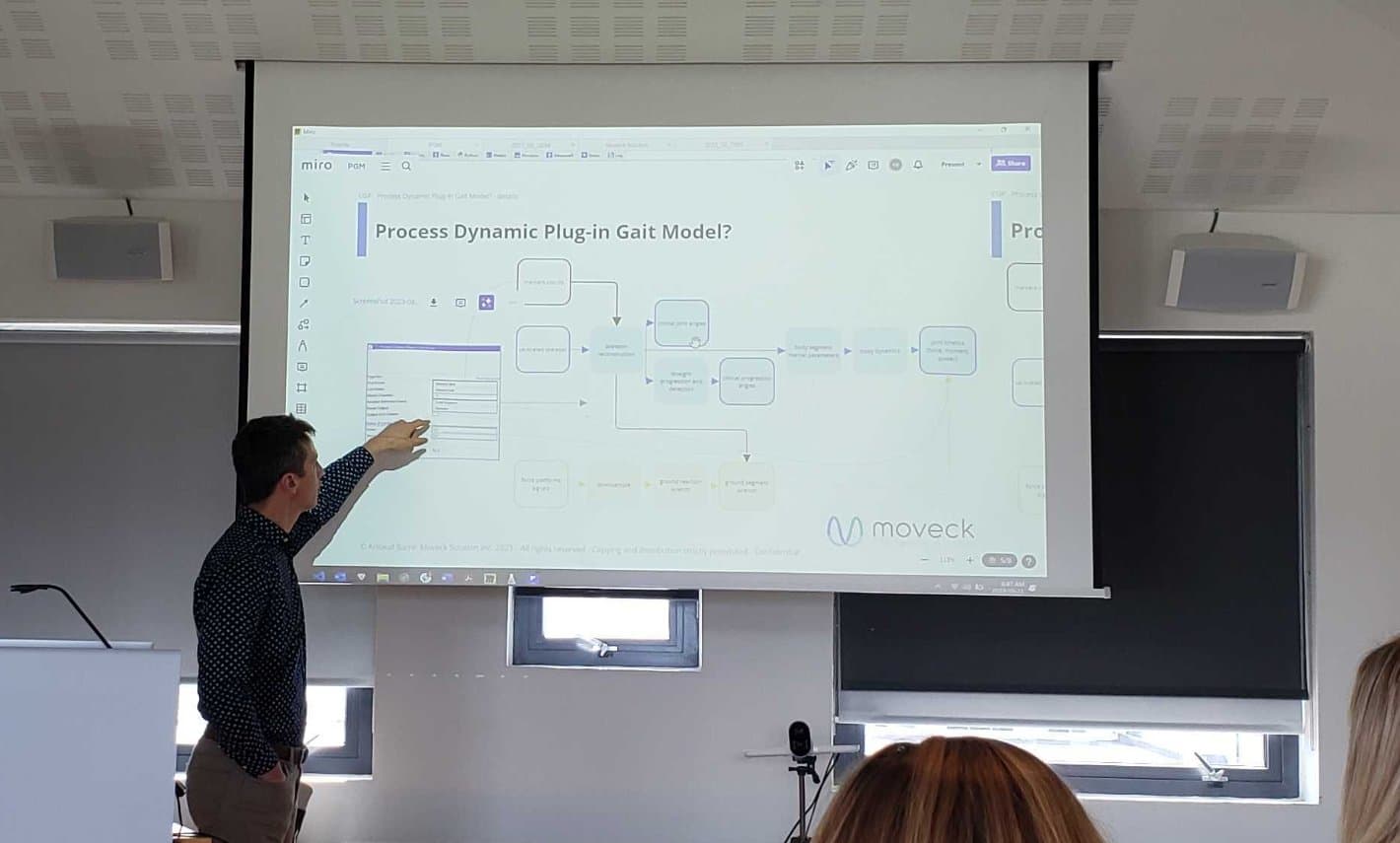
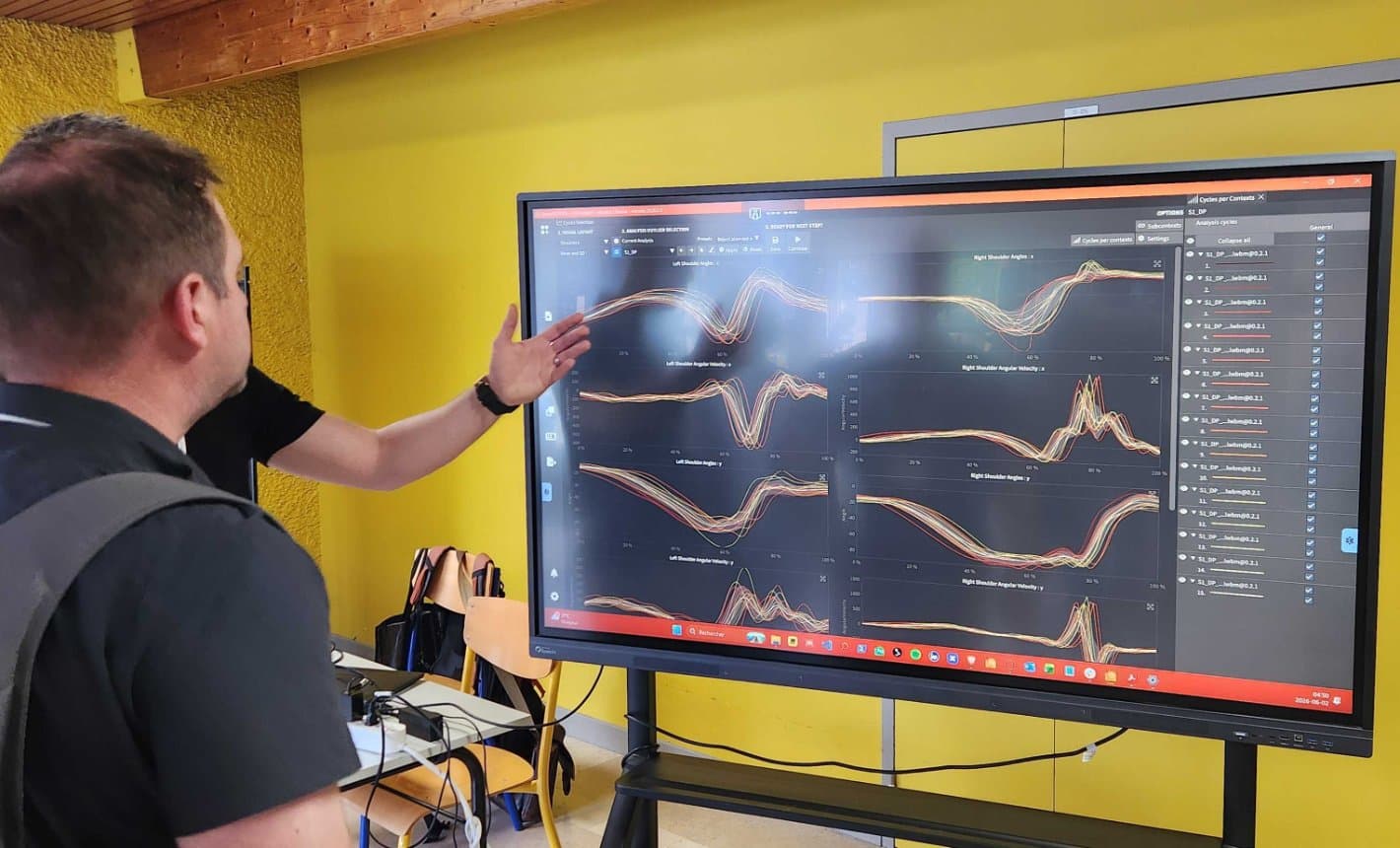
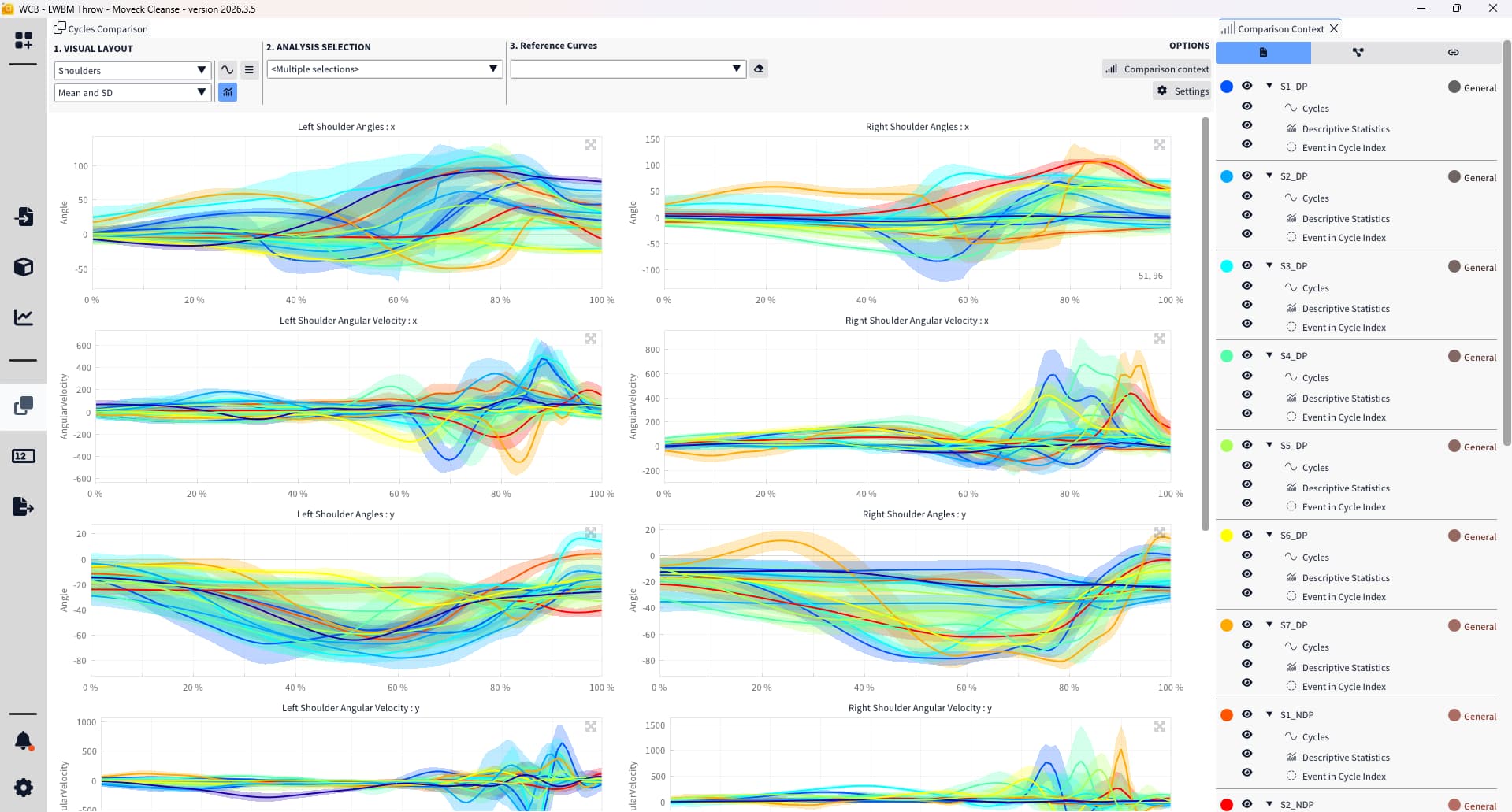
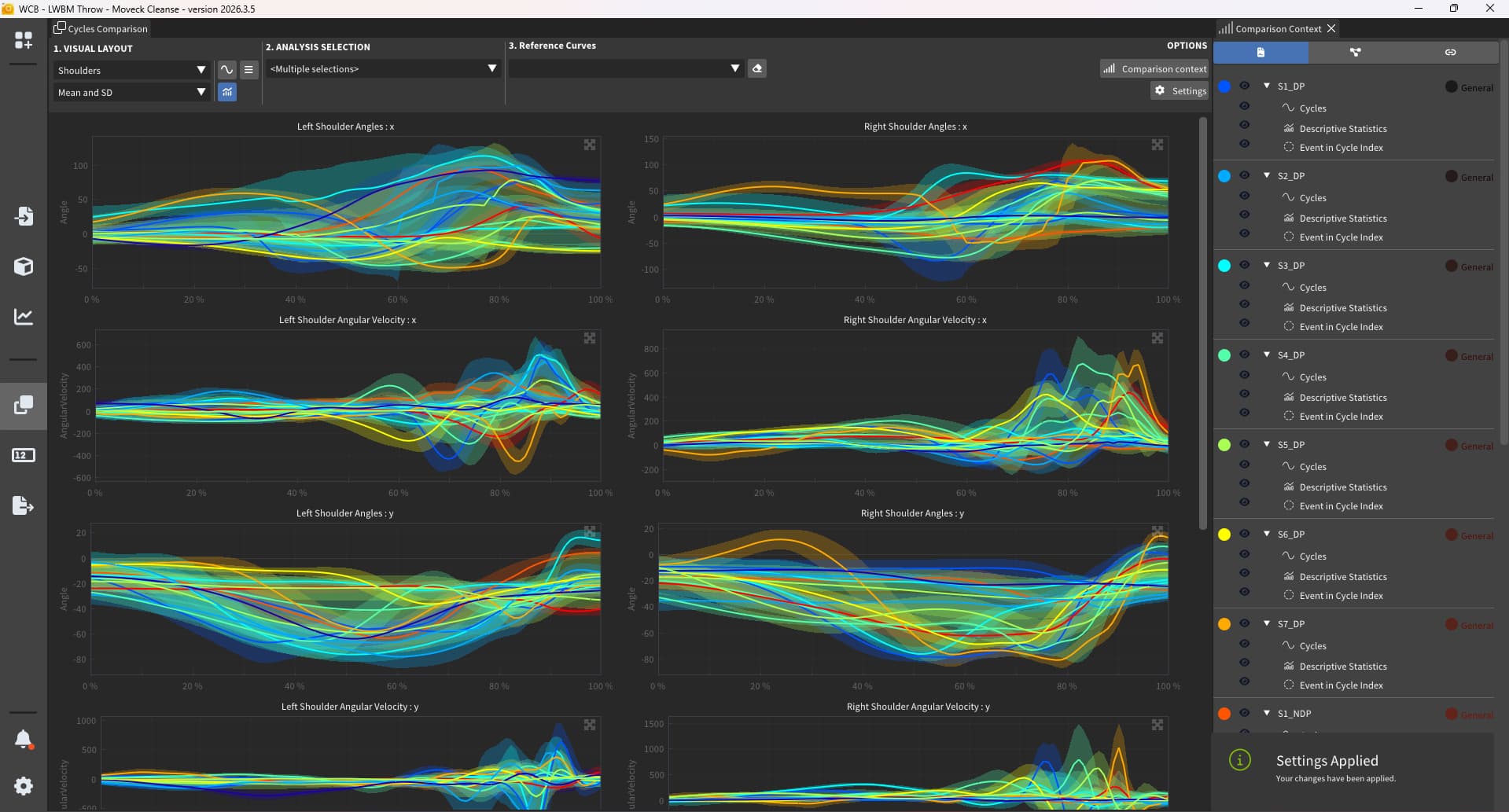
A workshop on the clinical gait pipeline, and a live cycle review in Cleanse.
Questions about training
Where do sessions take place?
At your lab or online, whichever fits the team.
Is training built on our own protocol?
Yes. Sessions run on your systems and your protocol, with your own data when possible.
How long does a training take?
From a half-day introduction to a multi-day program, sized to the team and the workflow.
Who is training for?
Everyone who touches the workflow, from acquisition to processing to reporting.